
saivedanthospitals@gmail.com
2nd & 3rd Floor, Saivedanthospitals, Undri
+91 9719712400
saivedanthospitals@gmail.com
2nd & 3rd Floor, Saivedanthospitals, Undri
+91 9719712400
Immunotherapy is one of the most exciting advances in modern medicine in cancer treatment — it helps your own immune system recognise and fight disease. Learn what immunotherapy is, how it works, what we provide, and why many patients now consider it as part of their treatment journey.
Immunotherapy uses treatments that boost, direct, or restore the body’s immune response so it can better identify and destroy diseased cells. In cancer care this can mean activating immune cells to find and kill tumours; in allergy care it means gradually retraining the immune system to tolerate allergens. Immunotherapy is a form of biological therapy and is now standard in many cancers and allergic conditions.


Think of immunotherapy as giving your immune system smarter tools: some drugs release the brakes on immune cells, others add targeted antibodies, and some involve training your own cells outside the body and returning them (adoptive cell therapies). For allergies, small controlled exposure (allergen immunotherapy) helps the immune system build tolerance over months to years. These approaches change the way the immune system recognises threats rather than directly attacking the disease like chemotherapy or surgery.
We tailor the approach to the disease and the patient. Main types include:
Each type has different uses, timelines and monitoring needs; your specialist recommends the right option after careful testing.

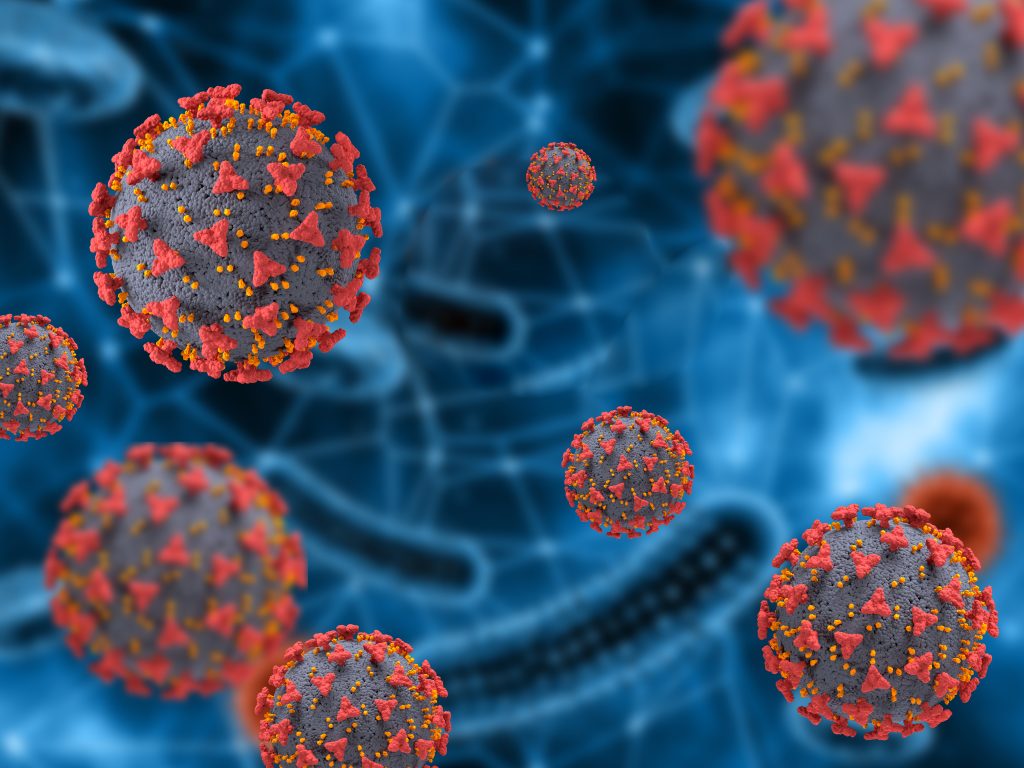
Immunotherapy is used increasingly across tumour types. Examples commonly treated include:
Treatment decisions are personalised based on tumour markers, stage and patient health.
Immunotherapy can provide durable responses in cancers that were previously hard to treat, improve long-term survival for some patients, and for allergy sufferers it can reduce symptoms and medication needs long term. For many patients the main advantage is that immunotherapy uses the body’s own defences, sometimes offering better disease control with a different side-effect profile versus traditional chemotherapy.
Immunotherapy side effects differ from chemo. The most important are immune-related adverse events — the immune system can attack healthy organs (skin rashes, colitis, hepatitis, pneumonitis, endocrine dysfunction). Early detection and controlling (often with steroids and specialist care) are crucial to keep wellbeing. In allergy immunotherapy, local reactions are common and systemic reactions are rare when protocols are followed. Our team uses international guidelines to monitor and manage these effects closely.
We prioritise clear communication so patients and families know what to expect at every step.
Cost depends on the treatment type: checkpoint inhibitor cycles, monoclonal antibodies, and especially personalised cell therapies (CAR-T) have different price ranges. In India, per-cycle costs for some checkpoint inhibitors may range from tens of thousands to lakhs of rupees, while CAR-T and advanced adoptive therapies are considerably higher. We provide a transparent cost estimate during consultation and explain financing or insurance options. (NOTE: exact costs depend on drugs, cycles and hospital stay.)
Dr. Lalit Bansiwal is an expert medical professional with great understanding in patient-centric treatment and vast experience in cancer treatment. He studies each case and plans a complete personalized chemotherapy treatment with maximum effectiveness and minimum side effects.
Under his leadership, patients benefit from authentic, principled, and compassionate treatment for their cancer in Sai Vedant Hospital.
Book a Consultation
Therefore, if you or your loved one is recommended a course of chemotherapy, expert advice can work wonders. Contact Sai Vedant Hospital today for reliable and caring chemotherapy treatment in accordance with your requirements.

Patients with cancer such as lung, breast, or liver cancer may be eligible for immunotherapy cancer treatment. The oncology team evaluates the cancer type, stage, specific biomarkers, and overall health.
Yes, it can be combined with chemotherapy, surgery, or radiotherapy, depending on the patient’s condition and treatment goals
It varies from patient to patient, depending on response, tolerance, and disease control.
The immunotherapy cost depends on the type, medications used, number of cycles required, hospital stay, and monitoring needs. At Sai Vedant Hospital, costs are discussed transparently before starting treatment.
No. Immunotherapy boosts the immune system to fight disease; chemotherapy directly attacks rapidly dividing cells. They may be used together for better results.
Sai Vedant Hospital is regarded as a best hospital for immunotherapy due to its experienced oncology team, evidence-based treatment protocols, advanced monitoring systems, and patient-centered approach to cancer care.