saivedanthospitals@gmail.com
2nd & 3rd Floor, Saivedanthospitals, Undri
+91 9719712400
saivedanthospitals@gmail.com
2nd & 3rd Floor, Saivedanthospitals, Undri
+91 9719712400
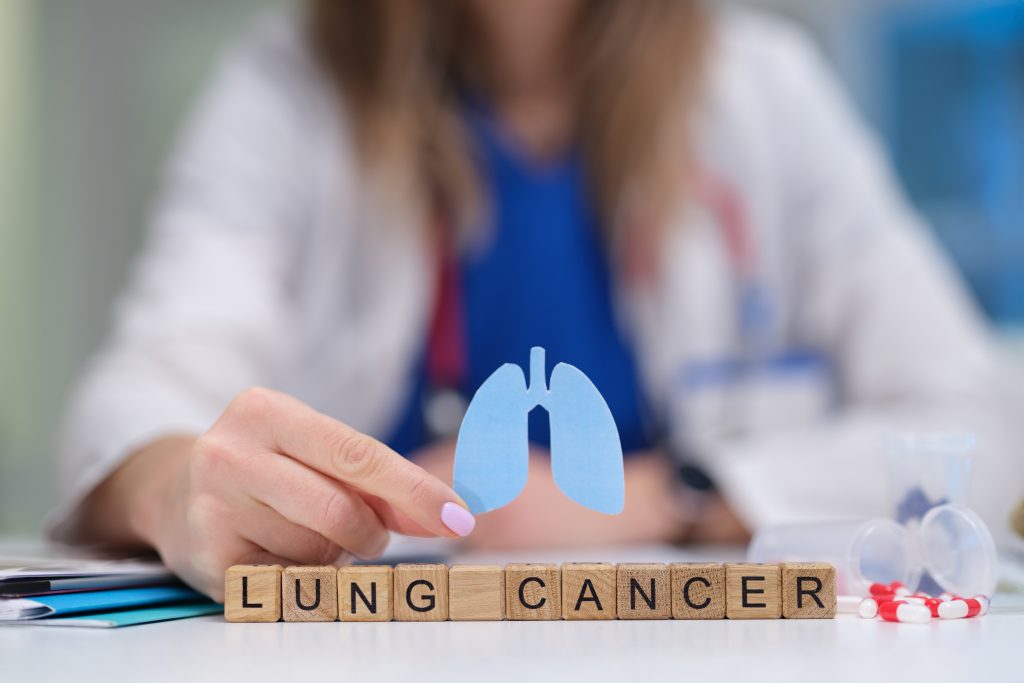
Lung cancer ranks among the most dangerous diseases affecting millions of people worldwide. It starts with the growth of abnormal cells in the lung that results in a tumour, which in turn affects the function of the lung. Timely medical attention helps to cure this disease.
Lung cancer results as a consequence of uncontrolled growth due to DNA mutations to the cells of the lungs, resulting in tumours. The cancerous cells can invade other tissues or metastasize to other body parts if not treated immediately.Preventive treatment is basically medical treatment that helps in preventing diseases, early detection of health risks, and halting the progression of any diseases that may have developed. Such treatments include vaccinations, screenings, preventive medicines, and healthy lifestyle habits.
Infectious diseases such as HIV/AIDS, Tuberculosis, Malaria, Measles, Hepatitis, Chicken pox, and Dengue fever can be prevented successfully by well-organized means to control risks not only in individuals but in communities as well.

As mentioned there are several risk factors for lung cancer:
Early cases of lung cancer could be subtle and invisible, but when it advances, some of the possible symptoms include:
In the event the symptoms continue for several weeks, it is imperative for the individual to undergo clinical examination.
There are basically two types of lung cancer, namely:
It is the most frequent type of lung cancer, including adenocarcinomas, squamous cell carcinomas, and large cell carcinomas. The treatment modalities are divided depending on the stage as well as the type of lung cancer.
SCLC is not as common as NSCLC and is also more aggressive. SCLC progresses faster and is usually handled differently than NSCLC. SCLC is very responsive to chemotherapy and radiation treatment.
Staging is a factor because it indicates how much cancer has grown:
Knowing the stage is very important because the effectiveness of the treatment will differ for every stage.


Depending on the type and stage of cancer and personal preference and medical condition, patients have these treatment choices:
In the initial stages, surgery to have the tumour excised is commonly advisable. Procedures that may be undertaken include:
The surgeons can even take out lymph nodes nearby for checking how far the cancer may have spread.
These types of treatments involve using medications or energy rays to destroy cancer cells. Such treatments are often used in addition to surgery, or sometimes before surgery, to be able to control or shrink cancer growth.
Current targeted therapies involve mutations within cancer cells or will aid the immune system in detecting and destroying these cells.
If the cancer has reached an advanced stage, treatment might be aimed at controlling its symptoms and enhancing the quality of life, irrespective of whether a cure could be achieved.
The key to its curability lies in how early the disease is found and treated. If the lung cancer is found in its earlier stages and is completely surgically removable, its chances for curability are much greater, even in conjunction with other modalities of treatment. Even in more advanced disease, many modalities of treatment are available to extend not only a person’s life but enhance its quality.
Early detection through screening (such as low-dose CT scans for at-risk persons) allows cancer to be detected before severe symptoms are present and clears the way for a cure.


At Sai Vedant Hospital, lung cancer treatment not only involves addressing lung cancer but encompasses timely diagnosis, planning, and care that addresses all aspects of it.
1.Multidisciplinary Cancer Care
The management of lung cancer cases requires a team approach involving the surgeon, oncologists, pulmonologists, radiologists, and critical care team, which is implemented at the Sai Vedant Hospital.
2. Advanced Diagnostic & Surgical Facilities
The hospital is equipped with advanced imaging equipment, staging equipment, as well as operation theatres that are capable of facilitating accurate diagnoses as well as safe lung cancer surgery procedures.
3. Personalized treatment approach
Each patient has a treatment plan, which may include surgery, chemotherapy, radiation, and/or newer therapies that are tailored to the type, stage, and individual health needs of the patient.
4. Experienced Surgical Expertise
Sai Vedant Hospital is known for its skilful surgeries in early and late-stage lung cancer surgery with emphasis on accuracy, efficacy, and quick recovery when surgery is recommended
Dr. Lalit Bansiwal is an expert medical professional with great understanding in patient-centric treatment and vast experience in cancer treatment. He studies each case and plans a complete personalized chemotherapy treatment with maximum effectiveness and minimum side effects.
Under his leadership, patients benefit from authentic, principled, and compassionate treatment for their cancer in Sai Vedant Hospital.
Book a Consultation
Therefore, if you or your loved one is recommended a course of chemotherapy, expert advice can work wonders. Contact Sai Vedant Hospital today for reliable and caring chemotherapy treatment in accordance with your requirements.

The first symptoms may include coughing, shortness of breath, pain in the chest, and tiredness. One should visit a doctor if these symptoms persist.
Other causes are air pollution, passive smoking, occupation (such as asbestos exposure), or, on occasion, genetic inheritance
Lung cancer is classified into Stages I to IV. Stage I is localized cancer and Stage IV is an advanced stage.
Yes -- particularly if caught early and if the cancer is operable -- surgery may well offer the best hope for a cure.
These two major categories include non-small cell lung cancer (NSCLC) and small cell lung cancer (SCLC).
Side effects depend on the type of treatment, so most target therapies are easier to tolerate, although chemo and radiation might cause fatigue, nausea, or discomfort. Your healthcare team will help you manage side effects.