
saivedanthospitals@gmail.com
2nd & 3rd Floor, Saivedanthospitals, Undri
+91 9719712400
saivedanthospitals@gmail.com
2nd & 3rd Floor, Saivedanthospitals, Undri
+91 9719712400
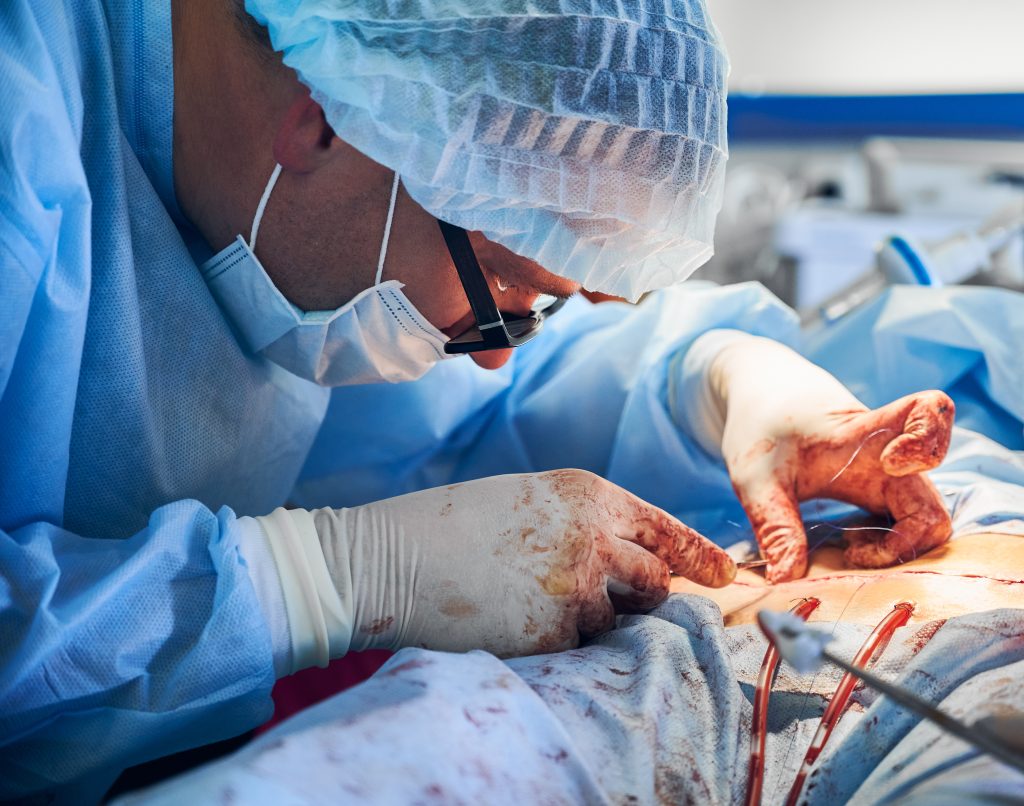
Laparoscopic surgery, also known as keyhole surgery, is a type of minimally invasive surgical technique that allows doctors to perform procedures using small incisions, typically ranging from 0.5 to 1.5 cm. Through these incisions, a doctor uses a laparoscope, a thin tube with a high-intensity light and a high-resolution camera is inserted. As it moves along, the camera sends images to a video monitor, guiding the surgeon throughout the procedure. If you are wondering what laparoscopic surgery means in Hindi, it simply means ‘a surgery with minimal incisions. This results in faster recovery, less pain, and minimal scarring. This approach not only minimizes tissue damage but also reduces post-operative pain, hastens recovery, and lowers the chances of complications, making it an option for various surgical procedures.


There are many types of laparoscopic procedures, including:
The symptoms after laparoscopy vary greatly depending on the underlying condition. Some common symptoms include:


Laparoscopic surgery is used to treat a wide range of medical conditions. Some common causes that may require laparoscopic surgery include:
Short-term side effects are typically related to the surgical trauma and the body’s initial healing process. These may include:
While uncommon, long-term side effects of laparoscopic surgery can occur in some patients and may persist for months after the procedure. Some of the possible long-term complications include:
Depending on your diagnosis and the complexity of your condition, the surgeon may recommend one of the following approaches:
Open surgery has been the standard approach for several medical conditions that require surgical treatment. It involves opening the surgical site via a large incision to gain access to the targeted organ or area. This gives direct visualization of the surgical site, and assessment can be done through tactile feedback, which is a conventional and familiar technique.
The introduction of Laparoscopic surgery, a minimally invasive surgery, has changed the landscape of surgical treatment. A thin, lighted tube with a camera is inserted through a small incision, allowing the surgeon to visualize the surgical site on a monitor. Since this type of surgery requires smaller incisions, the surgery is carried out with specialized tools that promise less pain and faster recovery.
This type of surgery is a novel surgical technique that comes with the benefits of laparoscopic surgery and the precision of robotic systems. In this technique, surgeons control robotic arms that are equipped with specialized instruments and a high-definition camera. This procedure enables enhanced dexterity and a magnified 3D visualization of the operative field. Robotic arms also give unmatched precision.
Opting for laparoscopic or robotic surgery offers several advantages over conventional surgery methods, including:
The hospital is headed by Dr Lalit Banswal and consists of an experienced medical team of specialists who provide advanced medical care for numerous services.
Utilizing minimally invasive laparoscopic and robotic surgeries, we provide maximum accuracy and precision while decreasing pain and recovery period.
Our hospital is open 24/7 for emergencies, surgical interventions, and cancer care. We provide the utmost care for each patient for a complete, holistic treatment.
Our team of 10+ specialist doctors has decades worth of experience in general, laparoscopic & robotic surgery, cancer surgery, and supportive therapy for cancer patients.
At Sai Vedant, we follow a patient-centric, holistic approach to healing with a mission to expertly combine compassionate care with medical excellence across our comprehensive healthcare services.
Laparoscopic surgery, also known as keyhole surgery, is a type of minimally invasive surgical technique that allows doctors to perform procedures using small incisions, typically ranging from 0.5 to 1.5 cm. Through these incisions, a doctor uses a laparoscope, a thin tube with a high-intensity light and a high-resolution camera is inserted. As it moves along, the camera sends images to a video monitor, guiding the surgeon throughout the procedure.
Doctors may recommend laparoscopic surgery to help diagnose the cause of symptoms in the belly or pelvis. It is usually done when imaging tests don’t provide enough information to confirm a diagnosis. It is also used in certain cancer surgeries to remove the tumors safely while reducing tissue damage.
There are several types of laparoscopic surgery, including gallbladder removal, appendix removal, hernia removal, hysterectomy, diagnostic laparoscopy, and laparoscopic cancer surgery.
Short-term side effects are typically related to the surgical trauma and the body’s initial healing process. These may include: Pain and discomfort at the incision sites, bloating due to carbon dioxide used during the procedure, Nausea or vomiting from anesthesia, Fatigue or weakness, Mild infections or bruising around the wounds.
If you are looking for the best laparoscopic surgeon in Pune, Dr. Lalit Banswal at Sai Vedant Multi Speciality Hospital, is a highly certified cancer specialist & surgeon in Pune with experience as an expert in minimally invasive cancer surgeries, including Open, robotic, and laparoscopic surgeries.
At Sai Vedant Multi-Speciality Hospital, we are committed to delivering quality healthcare with precision, compassion, and care. Our hospital offers a broad spectrum of healthcare services with a special emphasis on laparoscopic & robotic surgery, cancer surgery, and supportive therapy for cancer patients.