
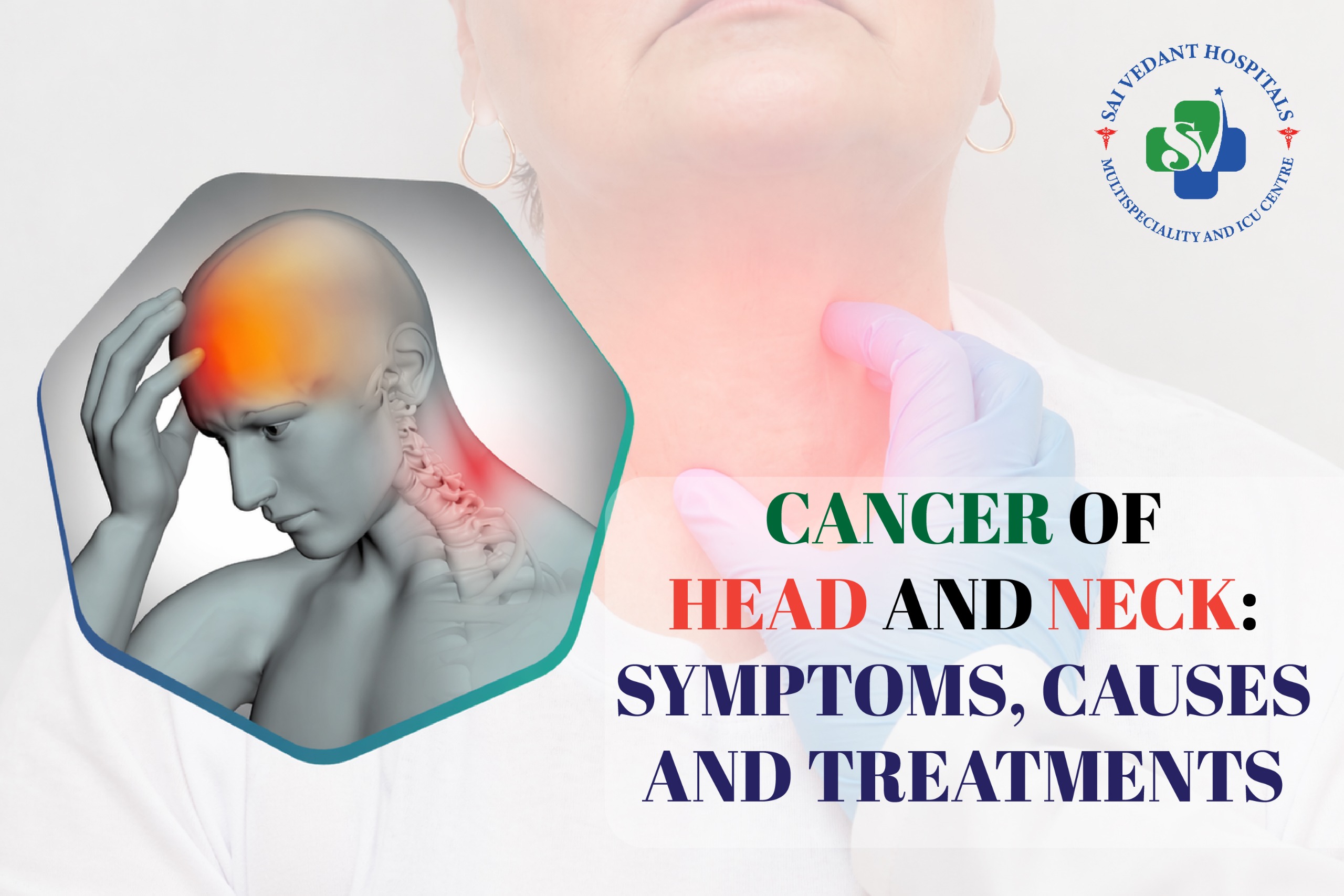
Cancer of Head and Neck: Symptoms, Causes and Treatments
The mention of cancer awareness immediately conjures up images of popular cancers like breast or lung cancer. Nevertheless, head and neck cancer should also be known and recognized as an equally serious form of the condition.
Getting an early diagnosis and undergoing prompt medical treatment will definitely help in the success of your treatment plan.
What is Head and Neck Cancer?
Do you wonder what head and neck cancer means? The answer is simple as head and neck cancer is not one type of cancer but several cancers that are found within the regions of your head and neck.
Some of the common sites where these cancers tend to originate include:
- Mouth
- Throat
- Larynx
- Nose and sinuses
- Salivary glands
As mentioned earlier, most of these types of cancers start in the layer of cells in these locations (known as squamous cells).
Different Types of Head and Neck Cancers
There are various types of head and neck cancers that depend on their point of origin, including:
- Mouth cancer (gums, mouth, tongue)
- Pharynx cancer (throat)
- Larynx cancer (voice box)
- Nose and sinuses cancer
- Salivary glands cancer
Depending on the cancer’s type, there may be different symptoms; however, most of them share certain risk factors and have similar methods of treatment.
Head and Neck Cancer Symptoms
One of the difficulties with head and neck cancer is that its symptoms might be subtle at first, making patients think they are dealing with a cold or sore throat.
Some of the main symptoms include:
- Prolonged sore throat
- Swelling or lumps in the neck area
- Hard time swallowing
- Change in your voice or hoarseness
- Unhealing ulcers in the mouth
- Painful ears or problems with hearing
- Unexplained weight loss
- Recurrent nosebleeds or stuffed nose
Sore throat and lumps in the neck are some of the common signs of head and neck cancer.
Symptoms of Head Cancer (Warning Signs)
Focusing on the symptoms of head cancer, some early signs include:
- Headaches or pain in the face
- Swelling around the eyes or jawline
- Pain in the upper teeth
- Chronic nasal congestion
While these symptoms may appear trivial, they should not be overlooked if they continue persisting.
Causes of Head and Neck Cancer
The knowledge of the causes of head and neck cancer is vital in prevention and early diagnosis.
Some of the leading causes and risk factors include:
- Smoking and chewing tobacco
- Drinking alcohol (especially when used together with tobacco)
- Infection with HPV (Human Papillomavirus)
- Exposure to hazardous substances or pollution
- Poor oral health care
- Constant sun exposure (in connection with lip cancer)
The usage of tobacco products and alcohol is regarded as the leading risk factor for head and neck cancers.
Treatments for Head and Neck Cancers
With early detection, there are many ways to successfully treat head and neck cancers.
These include:
- Surgery: removal of the tumor and surrounding tissues.
- Radiation therapy: high-energy beams that kill cancer cells.
- Chemotherapy: drugs that eliminate cancerous growths.
- Targeted therapy or immunotherapy: advanced therapies that attack cancer cells specifically.
In most cases, a mixture of all four forms of therapy is recommended for maximum effectiveness.
The importance of early detection
Early diagnosis is crucial since head and neck cancers are treatable when caught in their early stages.
Otherwise, neglecting the signs will result in:
- Disease progression
- More complicated treatment
- Lower chances of survival
However, with early diagnosis, there is hope for:
- Improved treatment results
- Less invasive therapies
- Higher quality of life
When Should You See a Doctor?
You should see a doctor if you experience:
- Symptoms that last for 2-3 weeks or more
- Unusual growths or swelling
- Voice or swallowing problems that don’t go away
- Early intervention could be crucial.
Conclusion
While head and neck cancers don’t always present themselves in their initial stages—your body might give you some clues. Listen to your body, don’t ignore symptoms that persist, and get a medical opinion when you need one.
Because early detection is the best protection against cancer.
Comments are closed